
Monitoring Emerging Health Threats: Medilink International’s Approach to High-Consequence Pathogens
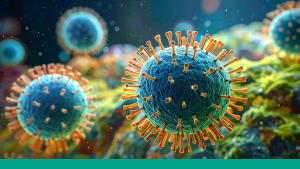
Remote and resource-limited operations depend heavily on early recognition of health threats and strong infection prevention practices. While most emerging infectious diseases pose low risk to deployed workforces, high-consequence pathogens require specific preparedness. This is not because transmission is likely, but because outcomes can be severe when exposure does occur.
Understanding the Risk Profile
Pathogens such as Nipah virus illustrate this challenge. Nipah is a zoonotic infection transmitted from animals, particularly fruit bats, to humans, with limited person-to-person transmission mainly in close-contact and healthcare settings. Case fatality rates have been estimated between 40 – 75%, and there are currently no licensed vaccines or targeted treatments.
For most travellers and deployed staff, overall risk remains low. Higher-risk exposures include:
• Close contact with ill individuals, particularly in healthcare or caregiving roles
• Consumption of raw date palm sap
• Exposure to bats, wildlife, or contaminated fruit
Presence in a country reporting case does not itself confer high risk without these specific exposures.
Preventive Measures
Standard guidance for personnel in regions where zoonotic pathogens may circulate includes:
• Avoid raw date palm sap
• Wash and peel fruit before consumption
• Avoid fruit showing signs of animal contact
• Avoid contact with bats and sick animals
• Maintain strict hand hygiene
• Apply standard infection prevention precautions in clinical settings
Individuals developing fever with respiratory or neurological symptoms should seek medical care promptly and disclose relevant travel or exposure history.
Medilink International’s Position
High-consequence pathogens remain a monitoring-level concern for Medilink International-supported operations. Our approach reinforces core principles relevant to remote site and occupational health:
• Early detection and escalation
• Strong infection prevention and control
• Exposure-based risk assessment
• Clear referral and evacuation pathways
Medilink International continuously monitors global health developments and provides operational guidance when risk profiles change.
From Preparedness to Response
Effective management of emerging health threats extends beyond awareness. It requires integrated capabilities: occupational health systems that identify risk before deployment, topside medical support that enables real-time clinical guidance, trained personnel who recognise warning signs, and evacuation pathways that function when needed.
For organisations operating in remote or challenging environments, these capabilities are not optional. Medilink International believes that they are the foundation of duty of care. Our role is to ensure that when health threats emerge, the systems, expertise, and response capacity are already in place.
Learn more about the Nipah virus here: https://medilinkint.com/wp-content/uploads/Nipah-Virus-Factsheet.pdf

